How Interior Design Studios Get Clients Online
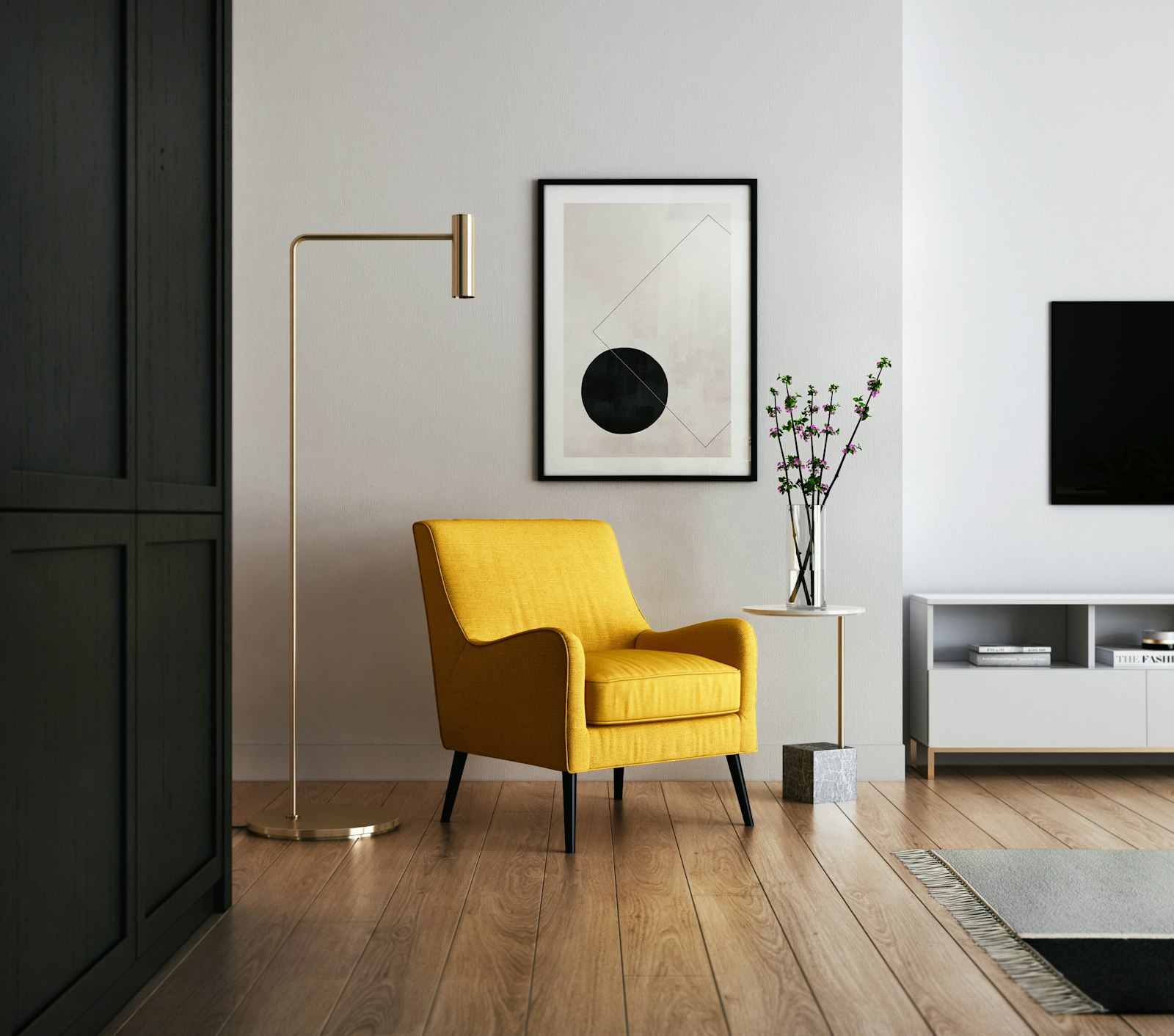
Interior design is a visual product sold on trust. Nobody hires a studio for a six-figure project from one Instagram reel — but nearly every high-ticket client starts there. The studios that win online are not the ones posting the most; they are the ones whose website, social content and ads all tell the same story: we have done this before, and here is the proof. Here is the system I build for designers and fit-out studios.
1. Your portfolio is the marketing
Design clients buy proof, not promises. Before spending a single rupee on ads, make sure your best work is presented properly: professional photos (or honest, well-lit phone photos of real projects), before-and-after pairs, and short stories of what the client needed and what you delivered. Three excellent case studies beat thirty mediocre posts. If your portfolio lives only in your Instagram grid and DMs, you don't have a portfolio — you have a feed.
2. The website is your second portfolio
A studio website has one job: turn admiration into an inquiry. The structure that works:
- Project pages, not a gallery dump — each project gets its own page with photos, scope, location and a one-paragraph story.
- A process section — clients fear the unknown. Show how a project runs from consultation to handover.
- Honest pricing signals — even a "projects typically start from X" line filters tyre-kickers and builds trust.
- One clear call to action — "Book a design consultation" with a short form or WhatsApp link.
If your current site is a slow template with a contact form nobody answers, fixing that will do more for your pipeline than any ad campaign. This is exactly the kind of build I handle in my web development work.
3. Instagram as the storefront — with intent
Instagram is where design clients live, but posting randomly wastes the channel. A content mix that works for studios:
- Reveal reels — the final space, filmed simply, with a trending but subtle audio. These are your reach engines.
- Before/after carousels — the most saved, most shared format in this niche.
- Process clips — material selection, moodboards, site progress. They build trust and filter for serious clients.
- Educational posts — "how we plan lighting on a budget", "5 mistakes that make rooms feel small". These earn saves and position you as an expert.
Consistency matters more than perfection: two good posts a week, every week, for six months will outperform a burst of daily posting that dies in a month.
4. Meta Ads: amplifying what already works
Ads work for designers once the fundamentals above exist. The playbook:
- Promote proof, not services. Your best reveal reel or a carousel of one complete project, run to a lookalike or broad audience in your city.
- Offer a consultation, not a quote. "Book a free design consultation" converts better than "get prices" — and starts a real conversation.
- Use lead forms or WhatsApp depending on where you best handle inquiries. In markets like Pakistan, WhatsApp conversations feel natural to design buyers.
- Retarget engagers. People who watched 50% of your reels are warm — a consultation offer to that audience is usually the cheapest, most qualified traffic you'll ever buy.
In my own campaign work, honest, specific creative consistently beats polished generic ads — the same principle applies to design studios. Your real projects are the creative.
5. Local SEO: being found when it matters
Many design clients search "interior designer in [city]" with real intent. A Google Business Profile with real project photos, collected reviews and correct categories — plus a website page targeting your city and specialty — quietly produces inquiries month after month with no ad spend. It compounds slowly; start it early.
6. The consultation funnel and follow-up
An inquiry is not a client. The path usually runs: inquiry → discovery call → site visit → proposal → signed agreement. Two things make or break it: response speed (an inquiry answered in minutes feels like a professional studio; one answered next week feels like a gamble) and structured follow-up (most "no" answers are actually "not yet"). Automating the acknowledgment, the brochure delivery and the follow-up reminders — which I do with AI workflows — keeps the pipeline alive without you chasing it manually.
7. Build the referral loop deliberately
In this industry, your best leads come from adjacent professionals: developers, architects, real estate agents and contractors whose clients need finishing. A simple monthly coffee rotation with five such partners, plus a clear commission or reciprocal arrangement, often outperforms any ad platform. Digital marketing's job is to make sure that when someone checks you out after a referral, everything they find reinforces the recommendation.
8. A realistic 90-day plan
- Weeks 1–3: publish or upgrade three case studies; fix the website's calls to action; set up or clean up your Google Business Profile.
- Weeks 4–8: commit to the Instagram mix (two reveals, one process clip, one educational post per fortnight); start collecting reviews from past clients.
- Weeks 9–12: launch a small Meta Ads test (consultation offer, retargeting engagers); automate inquiry follow-up; begin partner outreach.
None of this requires guaranteed results or magic — just consistent execution on a system that matches how design clients actually decide.
I help interior designers and fit-out studios build exactly this system — websites, social content strategy, Meta Ads and automated follow-up. If you want an honest assessment of where your studio's marketing stands, contact me here.